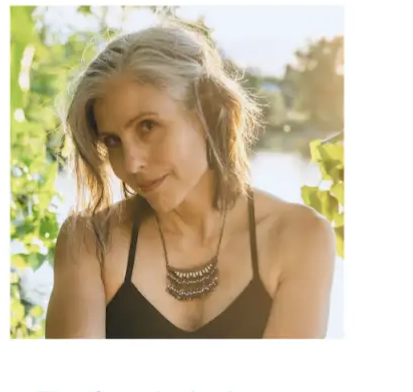
At CSU Pueblo’s Aztlán Research Center, Matt Garcia, artist and professor, connects indigenous knowledge to our environmental future.

The air conditioning worked overtime in the Occhiato Student Center ballroom as July heat scorched the campus outside. Inside, Matt Garcia clicked through photographs of prickly pear cacti thriving in Phoenix’s abandoned lots. The packed room fell silent. The associate professor and Chicano studies coordinator from CSU Pueblo began to link stories. The stories were meant to challenge everything his audience thought they knew about art, survival, and home.
Garcia’s Desert Art Lab project has earned recognition in galleries and academic circles far from southern Colorado. He has made guerrilla plantings of native cacti in forgotten urban spaces. These have been featured in art journals and environmental publications across the Southwest. But here in Pueblo, where he teaches and conducts research, his work remains surprisingly unfamiliar to many. That disconnect, he suggested, reflects something deeper about how we understand place and belonging.
“My question as an artist is how did we get here?” Garcia asked the room during the 5th Annual Aztlán Research Center’s Summer Institute. The day’s theme focused on generational healing through art and storytelling. Garcia’s presentation became the centerpiece of the morning discussions that drew faculty, educators, students, and community members from across Colorado.
His slides revealed time-lapse maps showing the 100th Meridian—the line dividing arid lands from those with adequate moisture—creeping steadily eastward. Climate change is pushing desert conditions into earlier green spaces. All that indigenous knowledge about surviving in dry lands isn’t just cultural preservation now. It’s becoming a blueprint for Colorado’s future.
Garcia described central Phoenix’s urban core as “50% stripped, vacant land.” The place where 115-degree heat feels personal, where developers see opportunity and longtime residents see abandonment. Garcia saw something else entirely. He saw the Sonora Desert, one of the world’s most biodiverse regions. This desert he said, is buried under decades of colonization and concrete.
His project started simple enough. Solo performances in vacant lots. Guerrilla plantings of native cacti in spaces the city had forgotten. The kind of work that gets you strange looks from neighbors and maybe a visit from code enforcement.
Then came the gallery show that changed everything. Garcia stacked prickly pear cactus in one of Phoenix’s premier art spaces and did something revolutionary. Instead of hosting the usual wine and cheese reception, he invited people to take a cactus home. They were encouraged to plant it somewhere in central Phoenix. Families created their own planting ceremonies. People drew maps of their chosen spots. A network of ecological restoration spread across the city, one cactus at a time.
The real education came when a Mercedes pulled up to one of their community plantings. The owner demanded they remove “this cactus” from “his land.” That moment crystallized something for Garcia. Indigenous plants weren’t just neglected in this landscape—people actively despised them. The very ecology that belonged in the Sonora Desert was being treated like an invasion.
Using historical maps, Garcia traced how early American explorers labeled the Southwest “the Great American Desert.” They saw it as a wasteland to be conquered rather than an ecosystem to be understood. Political borders have changed, but cultural borders remain visible. Demographic data shows Mexican-American populations concentrated along the old Mexico-US boundary line.
The connections between Garcia’s work and the day’s broader theme of storytelling became clear as other participants shared their projects. Brianna Rodriguez, an undergraduate at CSU Pueblo, is studying history, Spanish, and Chicano studies. She discovered the power of family oral histories. This happened while she was struggling with impostor syndrome in graduate school preparation.
“Oral storytelling is cultural survival, cultural resilience, resistance,” Rodriguez explained. Academic jargon suddenly felt less important than the voices of people who had actually lived these histories.
Marisa Diaz-Tello, a recent Colorado College graduate who studied Southwest studies, brought the conversation to Denver’s rapidly gentrifying North Side. There she’s witnessed the systematic erasure of Chicano communities through urban development. Her focus on murals as “instructional sites” preserves historical memory. This city is the second most rapidly gentrifying in the US.

Isabel Rosales was the youngest panelist at 18. She is also Colorado’s 2025 Fiesta Queen. She connected cultural preservation to mental health awareness. Her approach shows how traditional community care can address contemporary challenges.
April Bojorquez, interim director of the Aztlán Research Center, frames these diverse projects around “futuring.” She positions Aztlán as a historical anchor. It also serves as a guiding vision for a sustainable, inclusive future.
Library Dean Rhonda Manzanares emphasized the vital roles of artists and storytellers. They play crucial parts in maintaining Aztlán’s narrative. These roles are important while addressing historical trauma and rebuilding indigenous systems of responsibility.
What emerged from the day’s discussions moved past academic discourse. It created what scholar Enrique Salmon calls “kincentric ecology.” This is the idea that we are ancestrally connected to the land, not just as observers, but as participants.
Garcia’s cacti, slowly transforming degraded Phoenix soil over nine years. Rodriguez’s family stories, bridged academic research and lived experience. Diaz-Tello’s murals, reclaimed public space one restoration at a time. Rosales’ advocacy, carrying community care into new spaces.
They’re part of a movement imagining futures. In these futures, communities have tools to tell their own stories. They can claim their own spaces and define their relationships to place and identity.
As the summer institute wound down, participants carried home seeds of possibility. Like Garcia’s desert cacti, these seeds might grow slowly and underground. Then, they suddenly break through with unexpected beauty.
The desert, after all, knows something about patience, resilience, and the power of deep roots.