South Pueblo High School alum Christian Michael partnered with CSU Pueblo to give local students hands-on experience with artificial intelligence tools and a glimpse at tech career paths

More than a hundred Pueblo School District 60 students packed the Occhiato Student Center Ballroom on December 10 for a day that felt equal parts homecoming and launch pad. The Day of AI: Launch Your Future in Intelligence brought Google directly to campus, led by Christian Michael, a Google.org Fellow who graduated from South High School and still remembers what it felt like to grow up here without seeing anyone who worked in tech.
Michael partnered with CSU Pueblo Computer Information Systems professor Roberto Mejias to design the event as part of Computer Science Education Week, a global initiative Google participates in each year. For Michael, this was personal. He’s been bringing this program back to Pueblo for five years now because he knows what it’s like not to have exposure to these career paths. Both his parents didn’t go to college. He was a first-generation student himself.
“Growing up in Pueblo, it was always hard to get people to come past Colorado Springs,” Michael said during the event. “I said, ‘I can get people there, but I want to go big with it.’”
The day started with an overview of CSU Pueblo’s CIS and Cybersecurity programs, giving students a sense of what studying these fields actually looks like at a local level. Then Google staff took over with hands-on sessions designed to demystify artificial intelligence tools that are already reshaping how people work and learn.
One session focused on critical thinking with Gemini, Google’s conversational AI model that can help users research topics, brainstorm ideas, and even debug code. Students learned how to frame effective questions and evaluate AI-generated responses, skills that matter whether someone ends up in tech or not. The other session covered NotebookLM, a relatively new AI tool that acts like a research assistant. It can read through documents, notes, or articles a user uploads and then generate summaries, create study guides, or even produce a podcast-style audio overview of the material. Students got to experiment with both tools, asking questions and testing what these technologies could actually do for future college applications.
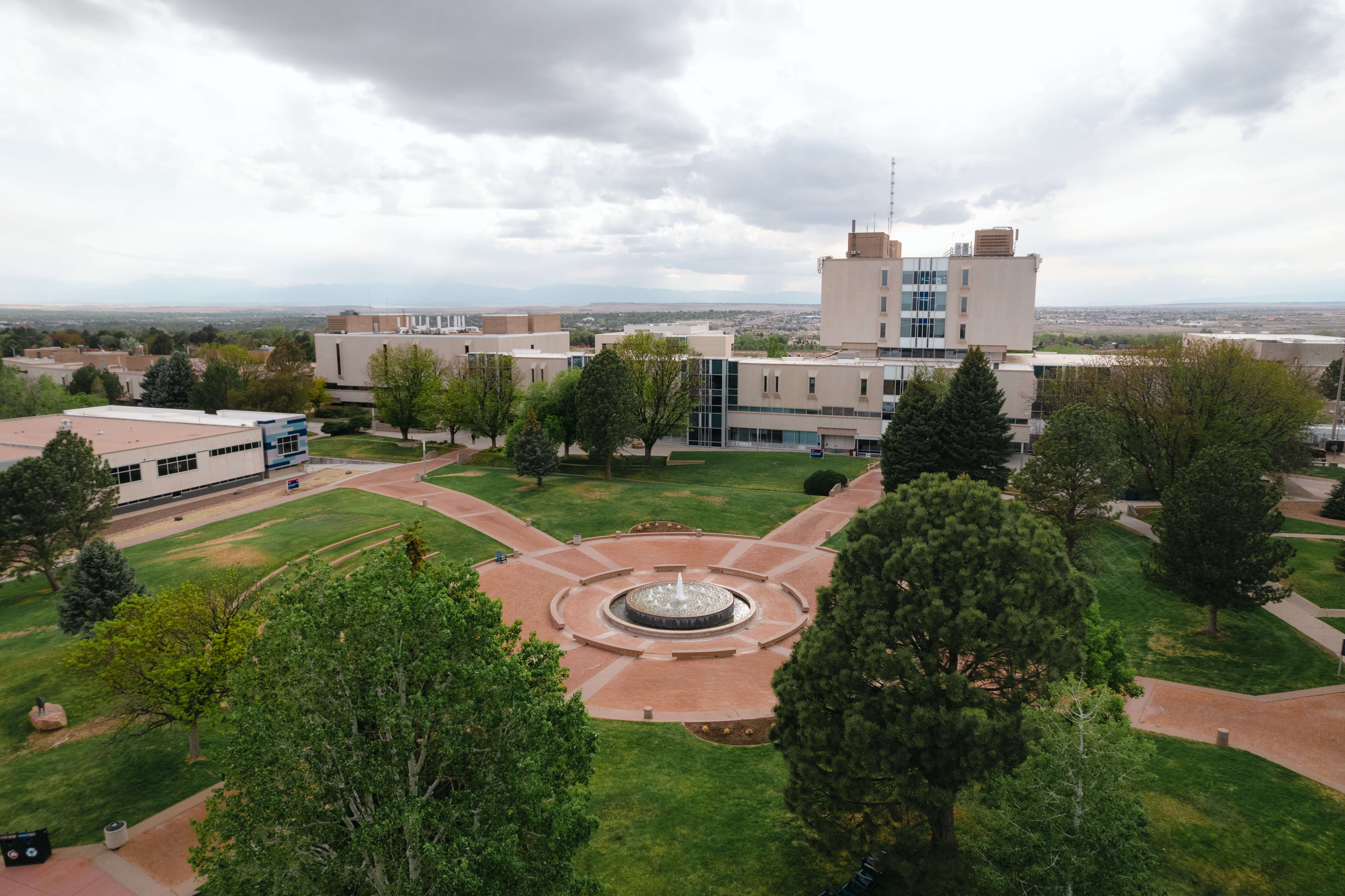
Between sessions, students toured the campus and ate lunch in the dining hall. Some had never been to a college campus before. For others, it was a first glimpse of what studying technology might actually involve beyond what they’d imagined.
Michael’s work at Google involves leading training programs for Google Cloud. Community outreach is something he does as part of the tech giant’s committemnet to service. Google calls it social responsibility. “This isn’t off work,” Michael explained. “This is part of our work.”
The event wasn’t trying to turn every student into a computer science major. Michael talks about creating a spark in something small that might matter later. He didn’t see people who worked in tech when he was growing up. He didn’t know anyone who’d gone to college. That lack of exposure shaped what he thought was possible. Bringing District 60 students onto a college campus, showing them AI tools they can use right now, introducing them to people who’ve made careers in this field, is the spark he’s after.
“Even if it’s just a little here and there,” Michael said, “that’s really the goal of today.”