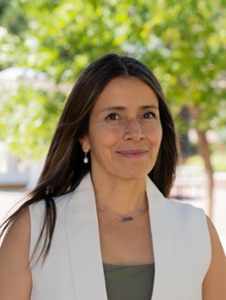
Roni Capin Rivera-Ashford’s What Color Is Your Hand?/¿De Qué Color Es Tu Mano? has collected the kind of awards to suggest a book has touched something in the zeitgeist. International Latino Book Award finalist in multiple categories. Southwest Book of the Year. The accolades keep coming, but what matters more is what sits at the center: a grandmother talking to her grandson about a world that sometimes fails to see beauty in difference.
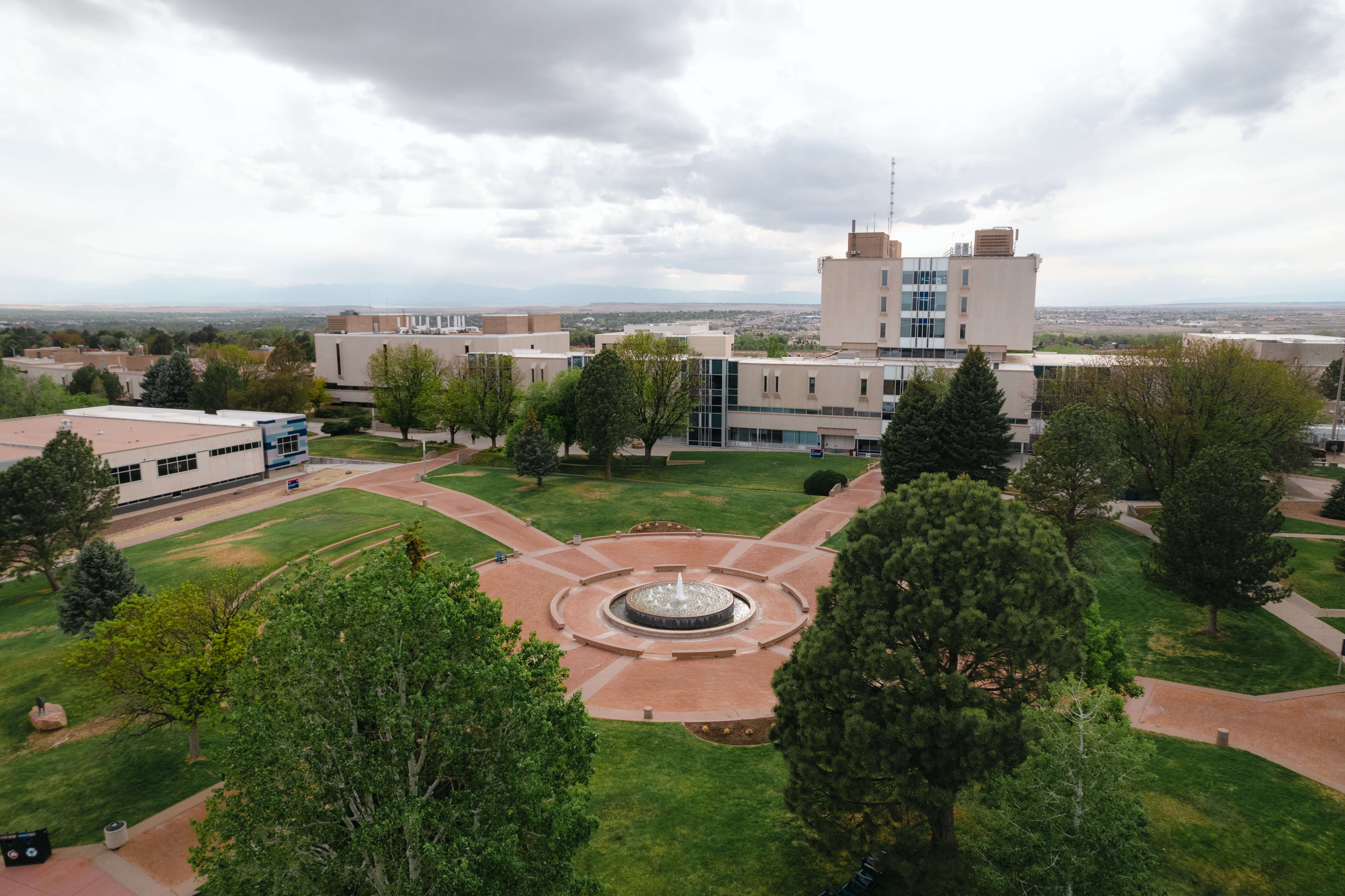
Rivera-Ashford graduated with distinction in 1974 from what was then Southern Colorado State College, now CSU Pueblo. She finished her degree in three years; majoring in Spanish with a minor in Psychology.
“It was hard work,” she says. “Extra courses, long hours, and many late-nights studying for exams.”
The staff came together to help her finish in time to join her husband so they could both return to teach in their hometown of Nogales, Arizona, right on the border. That border culture, the mix of languages and histories, the desert landscape, Rivera-Ashford says it shows up in her work repeatedly.
The book pairs her text with illustrations by Tucson artist Walter Thompson. Together they built what reviewer Helene Woodhams called a “superior volume” that “belongs on every child’s bookshelf.” High praise and warranted for a book that manages to address prejudice and bullying through the gentle voice of a grandmother who, as Woodhams noted, “thinks with her heart.”
What makes the book moving is its dedication to Gabriel Zimmerman, the congressional aide killed in the 2011 Tucson shooting that targeted U.S. Congresswoman Gabby Giffords. Zimmerman was among six people who died in the attack at a grocery store meet-and-greet event. Known as “The Constituent Whisperer” for his ability to bring people together, Zimmerman went to school with Rivera-Ashford’s daughter Sarah at University High School in Tucson. They even traveled to Europe together with a small group from their school.
Rivera-Ashford spoke about the dedication and her work in a recent conversation. The following has been edited for clarity and length.
You dedicated this book to Gabriel Zimmerman. Can you talk about that decision?
The warmth of this story, celebrating important connections and creating a safe haven in a complicated world, was a feeling I’d carried for Gabe since he lost his life so tragically at such a young age. The impact of violence and trauma was so dark and profound. Soon afterwards, I felt compelled to weave a connection with this story to Gabe. The story had already been written—it took many more years to get it published. I was in touch with Gabe’s mother and father to request their blessing for this heartfelt dedication. Because Gabe was known for his ability to bring people together, I feel I was channeling his voice to bring to life this story of peace, unity, and respecting each other no matter our differences.

Writing about loss and hope for children requires a particular approach. How did you find the right voice?
I think finding the right voice flowed naturally for me for a few reasons. I spent many years as a teacher of young children, from preschool through second grade, and this voice seems natural, a part of my childhood I now channel that I rarely got to enjoy as a child due to family circumstances where I had to be the adult.
How have Nogales and Tucson shaped your work?
These places have deeply shaped who I am as a person, from the inside out. The desert landscape, the border culture, the mix of languages and histories, the loving people who embrace diversity and welcome inclusion without blinking an eye. It is who they are, who we are, all one, the face of humanity. These are the magical qualities that keep showing up in my work.
What do you hope readers take away from this book?
My biggest hope is that the readers of this book, (who) are ages 3 to 103, that each reader will embrace the idea of celebrating diversity and looking forward to enjoying the beauty of the differences in our world, in people, and in nature. Children’s literature has this unique ability to create a safe space for big, scary feelings. Kids are experiencing difficult events today and they need ways to process. Books can give them language for what they’re feeling and show them they’re not alone. When kids read stories about people whose lives are different from their own, it plants seeds of empathy early. That kind of understanding, built in childhood, can reshape how communities relate to each other.